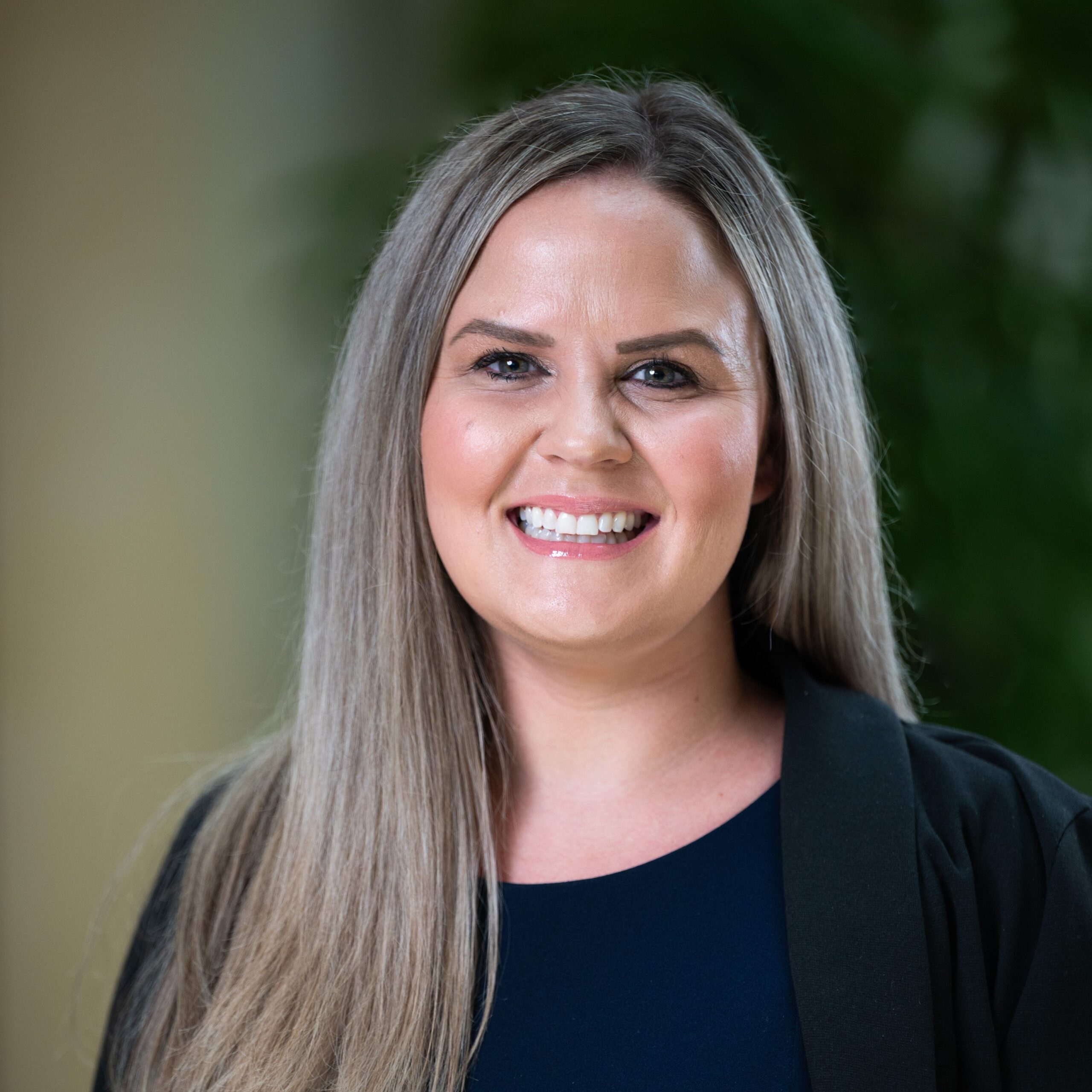



My Experience as a Locum Tenens Physician

Dr. Danielle McCarthur shares her journey from private practice to a flexible locum tenens career.
Facebook
X
Copy Link

Key Points

  • The article shares Dr. Danielle McCarthur’s transition from an overextended private practice role to a full‑time locum tenens career.  
  • She describes burnout from heavy patient volumes, frequent call shifts, and lack of support as key factors that led her to explore locum tenens work.  
  • Locum tenens provided her with flexibility, professional autonomy, and exposure to diverse healthcare systems and patient populations.  
  • Dr. McCarthur highlights the importance of agency support, noting that working with a trusted partner helped her focus on patient care rather than logistics.

A Conversation with Dr. Danielle McCarthur

Dr. Danielle McCarthur shares her journey from a demanding private practice to a fulfilling career as a full-time locum tenens physician. In this candid interview, she discusses the challenges and rewards of locum work, how she adapts to new environments, and offers advice to physicians considering this path. Her story highlights the flexibility, empowerment, and continuous learning that locum tenens work can offer. 

What motivated you to choose locum tenens?

After I finished residency in 2019, I worked for a very busy private practice. It was just overwhelming. I saw patients in the office, and my schedule was always double-booked. I took six to eight call shifts per month with cross coverage for an additional two high-risk private practices. I felt overworked, undervalued, and underpaid. I often gave feedback and advocated for myself, but things just didn’t change. I was mentally drained and physically exhausted. 

"I feel that working with a reputable agency like Jackson and Coker offers more support and security. The recruiters actually care. They work with you, and they follow through. I don't have to worry about anything."

I was introduced to locums by a colleague. When I left the practice, I was concerned about building my case list for board certification. I heard that locums is flexible, and I planned to explore the opportunity until I found the best fit. But the more I worked locums, the more comfortable I became. So, I made locums my permanent job.  

 In the process, I’ve learned more than I could imagine about health systems and the business of medicine. Because I work as an independent contractor, I’ve learned how to manage my finances, plan for retirement, and provide my own benefits. It’s been a roller coaster ride, but I don’t have any regrets. 

What types of healthcare settings have you worked in?

I prefer the hospital in-patient setting. I like to work longer shifts, 12-hour or 24-hour, because I get more for my time. I also prefer to work at one site at a time, as I can focus more on the processes at one hospital and get to know the staff. I’ve worked two assignments at a time, and I know other locums physicians who have three sites at a time. It’s just a matter of preference. 

One of my favorite assignments was Broward General, a county hospital in Fort Lauderdale, where I worked primarily as a hospitalist. Many patients were immigrants, non-English speaking, high risk, uninsured, and underserved. I experienced complicated cases and collaborated with and learned from experienced physicians around me. It was by far the busiest and most stressful assignment but deeply rewarding. Some of the physicians I met there are my closest friends to this day.  

How do you adapt quickly to new environments and teams?

When I first started, I was nervous about orienting at new hospitals. Since then, I’ve learned that there may be differences between facilities and their resources, but essentially, they all have similar goals. As a result, I made a list of questions for orientation/interviews. For example:

  • What’s your electronic medical record?  
  • Do you have maternal fetal medicine? 
  • How many deliveries do you have?  
  • Am I covering midwives? 
  • Do you have interventional radiology?  
  • Do you have general surgery readily available?  
  • Do I have a surgical assist?  
  • How’s the relationship with the emergency department?  
  • Am I accepting transfers?  
  • What is my responsibility and what do you expect from me in this position? 

I also ask for a directory to program numbers into my phone. Ultrasound, CT, emergency room, charge nurse, house supervisor, IT, housekeeping, risk management, etc. Those are the departments that you need to reach no matter the location.  

I’ve also learned to appreciate that each hospital has different protocols and policies for each department. As OBGYNs, we refer to the American College of Obstetrics and Gynecology recommendations. However, it’s critical that you are aware of the policies and protocols of each hospital, clinic, or system so that you’re in compliance. 

I also give feedback. I may suggest to the medical director or to the charge nurse, “I’ve seen this somewhere else, have you considered this?” To be clear, I am not a policy expert. I often share my experiences from assignments, as well as learn from the current assignment. “Oh, they do this here. That’s really neat. I’ve never seen that.” Locums is a continuous process of networking, learning, and growth.  

What advice would you give to physicians considering locum tenens work?

There are plenty of online groups with differing opinions regarding the approach to locum tenens. Some suggest direct contracting rather than working with an agency. I tried that method, and it was frustrating. I completed my own credentialing, prepared my own contracts with a lawyer’s review, as well as arranged my travel and my lodging. I had to confirm my shifts, deal with any client schedule changes, and ensure that I was paid in a timely manner. 

I feel that working with a reputable agency like Jackson and Coker offers more support and security. The recruiters actually care. They work with you, and they follow through. I don’t have to worry about anything. 

You’re going to get advice from different people but do your own research. Don’t be intimidated. Step out on faith. Try it and see if it works for you. The worst thing that can happen is that you don’t like it. And guess what? You don’t have to continue. 

What skills or traits are most important for success in this field?

I would say open-mindedness, flexibility, strong communication skills, and most importantly humility. Be a team player and build rapport with everyone—from nurses to housekeeping. It’s important to have everyone’s perspective. It is okay to speak up. Be that advocate for yourself and for your patients.  

Do you see yourself continuing in locum tenens long-term?

Absolutely! Because I work locum tenens, I was able to take a two-week trip to South Africa this past winter. I scheduled my shifts without having to worry about a declined vacation request or arranging coverage.  

I’ve been offered permanent positions while on assignments, but I love the autonomy and lifestyle too much to return to traditional practice. 

Begin your locums journey today.

About Dr. McCarthur:

Headshot photo of Dr. Danielle McCarthurDr. Danielle McCarthur is a board-certified obstetrician and gynecologist and a diplomate of the American Board of Obstetrics and Gynecology. She has been a locum tenens physician for the past four years, and she currently serves as an independent contractor through Jackson and Coker.  

Deeply passionate about serving underserved populations, Dr. McCarthur is committed to educating patients from all backgrounds. She emphasizes the importance of addressing mental health as a vital part of delivering high-quality, compassionate care. 

She earned her undergraduate degree from Spelman College, her medical degree from the University of Cincinnati College of Medicine, and completed her residency at Saint Francis Hospital in Evanston, Illinois. 

Dr. McCarthur is a proud member of: 

  • Phi Beta Kappa Honor Society
  • American College of Obstetrics and Gynecology (Fellow) 
  • Society of Maternal-Fetal Medicine
  • Association of Medicine and Psychiatry

She currently holds active medical licenses in California, Florida, Georgia, Kentucky, Mississippi, and Texas. A Cincinnati, Ohio native, Dr. McCarthur now permanently resides in Atlanta, Georgia. 

In her spare time, she enjoys reading, shopping, and exploring international destinations. Practicing as a locum tenens physician gives her the flexibility to travel and network while continuing to provide evidence-based, patient-centered care. 

About Dr. McCarthur:

Headshot photo of Dr. Danielle McCarthur

Dr. Danielle McCarthur is a board-certified obstetrician and gynecologist and a diplomate of the American Board of Obstetrics and Gynecology. She has been a locum tenens physician for the past four years, and she currently serves as an independent contractor through Jackson and Coker.  

Deeply passionate about serving underserved populations, Dr. McCarthur is committed to educating patients from all backgrounds. She emphasizes the importance of addressing mental health as a vital part of delivering high-quality, compassionate care. 

She earned her undergraduate degree from Spelman College, her medical degree from the University of Cincinnati College of Medicine, and completed her residency at Saint Francis Hospital in Evanston, Illinois. 

Dr. McCarthur is a proud member of: 

  • Phi Beta Kappa Honor Society
  • American College of Obstetrics and Gynecology (Fellow) 
  • Society of Maternal-Fetal Medicine
  • Association of Medicine and Psychiatry

She currently holds active medical licenses in California, Florida, Georgia, Kentucky, Mississippi, and Texas. A Cincinnati, Ohio native, Dr. McCarthur now permanently resides in Atlanta, Georgia. 

In her spare time, she enjoys reading, shopping, and exploring international destinations. Practicing as a locum tenens physician gives her the flexibility to travel and network while continuing to provide evidence-based, patient-centered care. 

Copy Link

Keep Reading

000001422_DoctorOnPhone
Locum Tenens Agency Comparison Checklist: What to Evaluate Before You Sign 
Comparing locum tenens agencies? Use this clinician checklist to evaluate credentialing, transparency, and support before you sign.
Two physicians, one man and one woman, walking together in a sunlit hospital hallway, smiling in conversation.
From Career Gaps to Career Momentum: How Locum Tenens Supports Career Transitions 
See how locums helps physicians stay active, earn income, and explore new paths while between roles or life changes.
NeurologistsLookingatScans_000001420
Practicing Medicine on Your Own Terms: One Physician’s Perspective on Locum Tenens 
Neurologist Dr. Liang shares how locum tenens gave him back the passion for patient care that a traditional career path had worn away.
000001258_YoungWomanInTherapy (1)
Why Are Average Psychiatrist Salaries Growing?
Psychiatrist salaries are still rising, but growth is moderating. Explore 2026 pay trends, shortages, and how locum tenens is reshaping compensation and strategy.
000001422_DoctorOnPhone
Locum Tenens Agency Comparison Checklist: What to Evaluate Before You Sign 
Comparing locum tenens agencies? Use this clinician checklist to evaluate credentialing, transparency, and support before you sign.
Two physicians, one man and one woman, walking together in a sunlit hospital hallway, smiling in conversation.
From Career Gaps to Career Momentum: How Locum Tenens Supports Career Transitions 
See how locums helps physicians stay active, earn income, and explore new paths while between roles or life changes.
NeurologistsLookingatScans_000001420
Practicing Medicine on Your Own Terms: One Physician’s Perspective on Locum Tenens 
Neurologist Dr. Liang shares how locum tenens gave him back the passion for patient care that a traditional career path had worn away.
000001258_YoungWomanInTherapy (1)
Why Are Average Psychiatrist Salaries Growing?
Psychiatrist salaries are still rising, but growth is moderating. Explore 2026 pay trends, shortages, and how locum tenens is reshaping compensation and strategy.

Connect With Us

Need licensing support? Ask our experts.

Connect With Us

Federal facts for you.

We are a Federal Supply Schedule Contract holder. 

Federal Supply Schedule (FSS) Contract: 36F79723D0086, Professional and Allied Healthcare Staffing, effective March 15, 2023, through March 14, 2028.

NAICS Codes:
  • 561320: Temporary help services. 
  • 621111: Offices of physicians. 
  • 621112: Offices of physicians, mental health specialists. 
  • 621399: Offices of all other miscellaneous health practitioners. 
  • 621330: Offices of mental health practitioners.

Privileging.

Once you and our client agree to move forward with your assignment, our privileging team will assist you and the client in gathering information required by the healthcare facility to grant clinical privileges.

1

We contact the facility’s Medical Service Office (MSO) for their application and requirements.

2

We will assist you by pre-populating the facility’s application and sending to the MSO.

3

We will assist the MSO by following up on requested items.

4

MSO will grant privileges based on your training and experience, and you will be able to start your assignment.

Headshot photo of Maggie Youmans

Maggie Youmans

Senior Vice President, Sales

As Senior Vice President, Maggie oversees several key specialty divisions and adjacent teams. With a demonstrated history of leading teams and developing individuals across the organization, she is dedicated to inspiring, challenging and empowering associates to achieve their personal and professional goals. 

Maggie earned degrees in marketing and management focused on consumer economics from the University of Georgia, Terry College of Business. She enjoys traveling with her husband to visit different bed and breakfasts. Together, they have been able to see the beauty within their own backyard and across the country.

Connect with Maggie on LinkedIn.