
Key Points
- Psychiatrist compensation continues to rise, though growth has shifted from rapid acceleration to a steadier, demand-driven pace.
- Workforce shortages remain the primary driver of salary growth, with demand for psychiatric care continuing to outpace available supply.
- Flexible work models, especially locum tenens, are reshaping compensation expectations and influencing salary trends across the market.
Understanding Today’s Psychiatry Compensation Landscape
Psychiatrists’ salaries are rising steadily as demand continues to grow. Compared to a few years ago, pay growth has become more stable and predictable as the sense of urgency has decreased. However, a reduced sense of urgency does not mean the problem has gone away. Mental health continues to have a significant impact, with nearly one in five Americans experiencing some form of mental health condition.
This imbalance is putting sustained pressure on healthcare systems to meet growing patient demand. Healthcare organizations are adapting by strengthening how care is delivered, turning to locum tenens clinicians to meet increasing patient needs while maintaining reliable access and continuity of care.
Salaries Are Still Increasing, Just More Steadily
Physician compensation continues to rise year after year, bringing the average psychiatrist salary to approximately $341,000 in 2025.
Compensation remains strong, but the drivers behind that growth have changed.
Today’s market is driven by:
- Stronger demand for psychiatric services.
- Shortage of psychiatric beds.
- Uneven clinician distribution relative to patient needs.
At the same time, salary outcomes vary based on:
- Practice setting, including inpatient, outpatient, and telepsychiatry.
- Geographic location and access to care.
- Subspecialty focus.
- Contract structure, including permanent roles and locum tenens pay models.
Together, these factors continue to support steady growth in psychiatrist compensation across the market.
Why Salaries Continue to Rise
The mental health workforce shortage remains the most significant driver of psychiatrist salary growth. Today, more than 137 million people live in areas with limited access to psychiatric care, highlighting the gap between patient needs and available clinicians. In fact, more than half of U.S. counties have no psychiatrists at all, reinforcing access challenges across many communities. Rural communities face significantly more limited access than urban areas, heightening competition and raising compensation in underserved regions.
The map below highlights how access to mental health care varies across the United States.
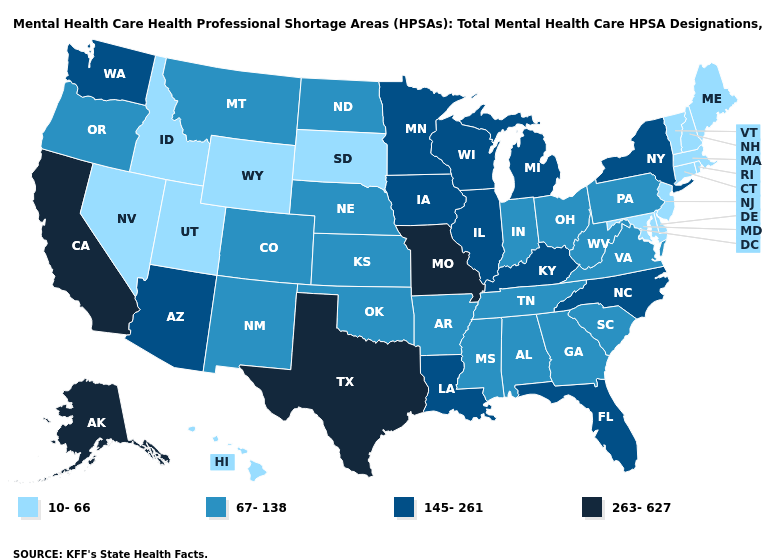
The total supply of psychiatrists remains constrained. With only 44,512 active patient care physicians nationwide, healthcare organizations are competing for a limited pool of talent. As a result, organizations are increasing compensation to attract and retain clinicians in a highly competitive market. For psychiatrists, this gap translates into increased leverage when evaluating compensation and job opportunities.
Growing Demand for Mental Health Services
Demand for psychiatric care is rising across all care settings. Mental health is increasingly integrated into primary and acute care, further expanding demand for psychiatric services.
Increased awareness is driving more individuals to actively seek care. To help meet this increased demand, telepsychiatry has expanded access, making it easier for patients in underserved areas to connect with clinicians. However, organizations relying on permanent staff alone are often unable to keep pace with patient needs. Because of this, many are turning to locum tenens psychiatrists to help maintain access and continuity of care.
A More Sustainable Specialty
Psychiatry is one of the specialties with the lowest burnout rate at 31.6%. In a healthcare environment increasingly focused on longevity and work-life balance, this positions psychiatry as one of the more sustainable long-term career paths in medicine.
Combined with strong demand and competitive compensation, the lower burnout environment reinforces continued interest in the specialty and supports long-term workforce stability.
The Role of Locum Tenens in Salary Growth
Locum tenens is playing a key role in shaping expectations of compensation.
Because locums’ compensation is often structured differently from traditional roles, it provides an alternative path for psychiatrists to maximize income while maintaining control over their schedules.
Healthcare organizations are adopting locum tenens to:
- Address coverage gaps in high-demand areas.
- Expand access in underserved communities.
- Reduce burnout.
- Build more flexible, sustainable staffing models.
Locums are influencing overall psychiatrist salary trends, as the pay continues to be a reference point pushing salary expectations higher across the market.
Discover how locum tenens gives you greater control while enhancing your earning potential.
Moving Forward
The conversation around psychiatrist compensation has evolved. Salaries are still rising, but they are now shaped by long-term demand, workforce shortages, and changing expectations around flexibility and how care is delivered.
Today, psychiatrists have more career options than ever before, from traditional roles to locum tenens and hybrid models.
For healthcare organizations, the challenge is building workforce strategies that reflect ongoing psychiatrist job demand and the realities of the mental health workforce shortage. On the other hand, for physicians, it is about navigating a market where compensation, flexibility, and long-term sustainability are all key factors.
Explore Opportunities
If you are evaluating your next step, we are here to help. At Jackson and Coker, we support psychiatrists in exploring opportunities that align with their personal and professional goals, whether that means increasing earning potential, gaining flexibility, or finding the right practice setting.
Explore opportunities and see what is possible in today’s evolving psychiatry market.